The Best Fluffy Pancakes recipe you will fall in love with. Full of tips and tricks to help you make the best pancakes.

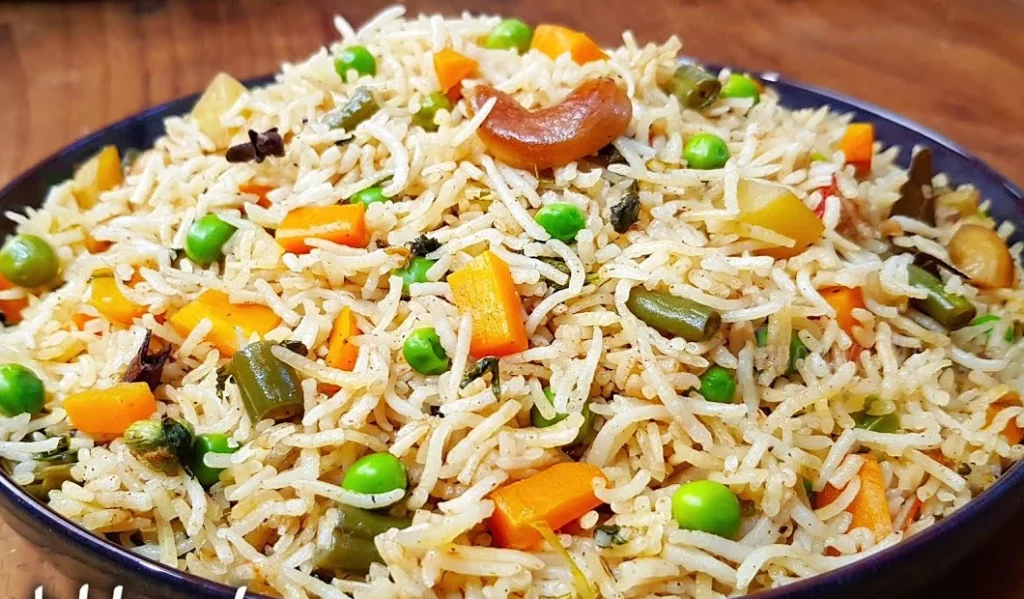
Vegetable Pilaf or indian famous veg pulao
Introduction to Vegetable Pulao
Veg Pulao is a fragrant rice dish popular across India and many other parts of South Asia. It’s lighter than biryani but still deeply flavorful, often made with basmati rice, seasonal vegetables, and a mix of whole spices.
Unlike biryani, which typically has layers of cooked rice and gravy, pulao cooks everything together, allowing the rice to absorb the aroma of the spices and vegetables. It’s perfect for a quick lunch, a festive side, or a weeknight dinner — and it pairs beautifully with raita, pickle, or papad.
Ingredients for Veg Pulao Recipe
Preparation Time: 15–20 minutes (chopping vegetables, washing rice, preparing spices)
Cooking Time: 20–25 minutes (cooking rice with vegetables and spices)
Total Time: 45–50 minutes
(Serves 4–5)
Main Ingredients
Basmati rice – 2 cups (about 400 g)
Mixed vegetables – 2 cups, diced (carrots, beans, peas, potatoes, cauliflower, capsicum)
Onion – 1 large, thinly sliced
Tomato – 1 medium, chopped (optional for slight tang)
Green chilies – 2, slit lengthwise
Fresh ginger-garlic paste – 1 tablespoon
Fresh coriander leaves – 2 tablespoons, chopped
Fresh mint leaves – 2 tablespoons, chopped (optional, for extra freshness)
Whole Spices
Bay leaf – 1
Cinnamon stick – 1 small piece
Cloves – 3–4
Cardamom pods – 2–3
Star anise – 1 (optional, for a slightly sweet aroma)
Cumin seeds – 1 teaspoon
Black peppercorns – 4–5
Powdered Spices
Turmeric powder – ¼ teaspoon
Red chili powder – ½ teaspoon (adjust to taste)
Garam masala – 1 teaspoon
Liquid & Fats
Ghee (clarified butter) – 2 tablespoons (or oil)
Water or vegetable stock – 3¾ cups (adjust depending on rice variety)
Salt – to taste
Equipment Needed
Heavy-bottomed pot or pressure cooker
Measuring cups and spoons
Fine strainer for rinsing rice
Wooden spoon or spatula
Step-by-Step Veg pulao Preparation
Step 1: Rinse and Soak the Rice
- Measure out the basmati rice and place it in a large bowl.
- Rinse under cold running water, gently rubbing the grains to release surface starch. Repeat 3–4 times until the water runs clear.
- Soak the rice in fresh water for 20–30 minutes. This helps elongate the grains and prevents them from breaking during cooking.
- Drain well before adding to the pot.
Step 2: Prepare the Vegetables
- Wash and dice the vegetables into small, even pieces so they cook evenly.
- If using frozen peas, keep them aside to add later (they cook quickly).
- Keep onions thinly sliced for a delicate texture and flavor in the pulao.
Step 3: Heat Spices and Sauté Aromatics
- Heat ghee (or oil) in a heavy-bottomed pot over medium heat.
- Add cumin seeds, letting them sizzle for a few seconds.
- Add bay leaf, cinnamon, cloves, cardamom, star anise, and peppercorns. Stir for 30–40 seconds until fragrant.
- Add sliced onions and sauté until golden brown. This step builds the base flavor of the pulao.
- Add ginger-garlic paste and slit green chilies. Sauté for 1–2 minutes to remove the raw smell.
Step 4: Add Vegetables and Spices
- Stir in the chopped vegetables (except frozen peas, if using).
- Add turmeric powder, red chili powder, and salt. Sauté for 3–4 minutes so vegetables absorb the spice flavors.
- If using tomatoes, add them now and cook until slightly softened.
Step 5: Add Rice and Liquid
- Add the drained basmati rice to the pot.
- Gently stir for 1–2 minutes to coat the grains with the aromatic ghee and spices.
- Pour in water or vegetable stock — general ratio for basmati: 1 cup rice : 1.75 cups liquid.
- Taste the liquid and adjust salt. Remember, it should taste slightly saltier than you want the final dish, as rice absorbs seasoning.
Step 6: Cooking the veg Pulao
Pot Method:
- Bring the mixture to a gentle boil over medium heat.
- Reduce heat to low, cover tightly, and cook for 12–15 minutes without opening the lid.
- Switch off heat and let the pot sit covered for another 10 minutes to allow steam to finish cooking the rice.
Pressure Cooker Method:
- Close lid and cook for 1 whistle on medium heat, then switch off.
- Let the pressure release naturally before opening.
Instant Pot Method:
- Pressure cook for 4 minutes, then let it naturally release for 10 minutes before opening.
Step 7: Fluff and Garnish
- Gently fluff rice with a fork to separate the grains.
- Stir in frozen peas at this stage (if using), the residual heat will cook them perfectly.
- Sprinkle chopped coriander and mint leaves for freshness.
Serving Suggestions of veg pulao
With Raita: Onion-tomato raita, cucumber raita, or boondi raita complement pulao perfectly.
With Curry: Paneer butter masala, dal tadka, or any light gravy dish.
With Papad and Pickle: For a simple comfort meal.
Garnish Option: Fried onions, toasted nuts, or raisins for a festive touch.
Tips for the Perfect Veg Pulao
- Use Aged Basmati Rice
Gives better aroma and long, separate grains. - Don’t Over-Stir
Once the liquid is added, stir minimally to prevent grains from breaking. - Right Amount of Liquid
Too much makes it mushy; too little leaves it undercooked. Adjust based on your rice variety. - Enhance Flavor with Stock
Replace water with vegetable stock for deeper taste. - Balance Vegetables
Avoid overcrowding with too many watery vegetables (like zucchini), which can make the pulao mushy.
Variations of Veg pulao
South Indian-Style Pulao: Add coconut milk for a creamier, subtly sweet flavor.
Spicy Masala Pulao: Add extra green chilies or a teaspoon of garam masala.
Dry Fruit Pulao: Add fried cashews, almonds, and raisins for festive occasions.
One-Pot Paneer Pulao: Add paneer cubes for extra protein.
Nutritional Information (Approx. per serving)
Calories: ~280–320
Carbohydrates: ~48 g
Protein: ~6 g
Fat: ~8 g
Fiber: ~4 g
Conclusion
veg pulao or, Vegetable Pulao is the perfect example of how simple ingredients can create something elegant and satisfying. The key is balance — fragrant rice, just enough spices to enhance but not overpower, and vegetables that bring color, texture, and nutrition.
With practice, you can easily adapt it to whatever vegetables you have on hand, making it a versatile, go-to dish for both everyday meals and special occasions. Once you master the basic method, you can play with flavors, add nuts or fruits, or give it a regional twist.