The Best Fluffy Pancakes recipe you will fall in love with. Full of tips and tricks to help you make the best pancakes.

Kheer Recipe (Rice Pudding)
What is Kheer?
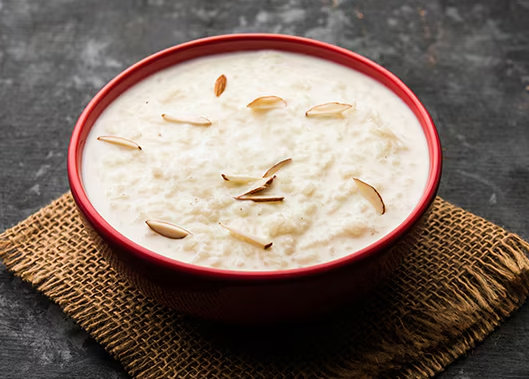
Kheer is one of India’s most beloved desserts, a creamy, sweet rice pudding made with milk, rice, and sugar, and flavored with cardamom, saffron, and nuts. It’s often prepared for festivals, celebrations, and special family gatherings. Known for its rich taste and silky texture, Kheer is not just food — it’s nostalgia in a bowl.
Unlike Western rice pudding, Indian Kheer is slow-cooked to allow milk to thicken naturally, intensifying the flavor. In many households, the recipe is passed down through generations, with each cook adding their own touch — be it the type of rice, the sweetener, or the garnishing.Whenever it comes to Indian sweets, Kheer and Rasmalai are always my top choices for their irresistible flavor and creamy texture.Do you want to know about rasmalai then visit easy recipe of Rasmalai at home.
Ingredients Needed for Kheer
Serves: 6–7 people
Cooking Time: 45–60 minutes
Main Ingredients
Full-fat milk – 1.5 liters (about 6 cups)
Basmati rice – ½ cup (about 100 g)
Sugar – ½ to ¾ cup (100–150 g, adjust to taste)
Ghee (clarified butter) – 1 tablespoon
Flavorings
Green cardamom pods – 4–5, crushed or powdered
Saffron strands – 10–12, soaked in 2 tablespoons warm milk (optional but highly recommended)
Rose water – 1 teaspoon (optional, for aroma)
Nuts & Garnish
Cashew nuts – 10–12, chopped
Almonds – 10–12, sliced
Pistachios – 8–10, sliced
Raisins – 10–12
Step-by-Step Preparation
Step 1: Prep the Rice
- Wash the basmati rice 2–3 times in water until it runs clear.
- Soak the rice in water for 20–30 minutes — this helps the grains cook faster and evenly.
- Drain the soaked rice before cooking.
Tip: Basmati is traditional for its aroma and texture, but you can use small-grain rice for a creamier texture.
Step 2: Prep the Nuts and Saffron
Heat 1 tablespoon ghee in a small pan.
Fry cashews and almonds until golden, then add pistachios and raisins for 30 seconds.
Remove and set aside.
Soak saffron strands in 2 tablespoons warm milk for deeper flavor and golden color.
Step 3: Heat the Milk
- In a heavy-bottomed deep pot, pour 1.5 liters full-fat milk.
- Bring to a boil on medium heat, stirring occasionally so it doesn’t stick or burn.
- Once boiling, reduce heat to low and simmer.
Pro Tip: A heavy pot is essential — thin-bottomed pans cause milk to scorch easily.
Step 4: Add the Rice
- Add the drained rice to the simmering milk.
- Stir well to prevent the rice from clumping or sticking to the bottom.
- Continue cooking on low heat, stirring every 2–3 minutes.
Slow Cooking Magic: Over time, the rice releases starch, naturally thickening the milk.
Step 5: Sweeten and Flavor
- When the rice is about 80% cooked (soft but not mushy), add sugar.
- Stir until dissolved completely.
- Add crushed cardamom and saffron-infused milk.
- Continue simmering for 10–15 minutes, allowing flavors to blend.
Step 6: Add Nuts
Stir in half of the fried nuts and raisins during the last 5 minutes of cooking.
Reserve the rest for garnishing.
Step 7: Check Consistency
The Kheer should be creamy and slightly thick but pourable.
Remember, it thickens further as it cools.
If it becomes too thick, add warm milk and adjust sugar.
Step 8: Finish and Serve
- Add rose water (if using) and give a final stir.
- Serve hot, warm, or chilled — each offers a different experience.
- Garnish with reserved nuts before serving.
Cooking Tips for Perfect Kheer
- Full-Fat Milk – Always use whole milk for richness. Low-fat versions make a thinner kheer.
- Stir Frequently – Prevents sticking and ensures even cooking.
- Sugar Timing – Adding sugar too early can slow down rice cooking; wait until the rice is almost done.
- Patience is Key – Slow cooking brings out the natural sweetness and creaminess.
- Texture Control – For a very smooth kheer, mash some rice grains lightly during cooking.
- Flavor Layers – Saffron adds luxury; cardamom brings warmth; rose water gives floral elegance.
- Don’t Rush Cooling – If serving chilled, cool to room temperature first, then refrigerate.
Variations of Kheer
- Vermicelli Kheer (Seviyan)
Replace rice with roasted vermicelli noodles.
Cooks much faster (10–15 minutes total).
- Sabudana Kheer
Use tapioca pearls instead of rice, popular during fasting.
Soak pearls for 1–2 hours before cooking.
- Coconut Kheer
Add coconut milk along with regular milk for a tropical flavor.
Pair with jaggery instead of white sugar for earthy sweetness.
- Lauki (Bottle Gourd) Kheer
Grate bottle gourd, sauté in ghee, then cook in milk like rice kheer.
Refreshing and lighter in taste.
- Jaggery Kheer
Replace sugar with powdered jaggery.
Add jaggery after removing from heat to prevent curdling.
Cultural Significance
Festivals: Kheer is a staple during Diwali, Raksha Bandhan, Eid, and Janmashtami.
Offerings: Often made as prasad (religious offering) in temples.
Family Celebrations: Served during birthdays, anniversaries, and weddings as a symbol of sweetness in relationships.
Serving Suggestions
Serve in traditional silver bowls for a festive feel.
Pair with crispy pooris for a royal North Indian touch.
Top with edible silver leaf (varq) for a wedding-style presentation.
Storage and Shelf Life
Refrigerator: Lasts up to 3 days in an airtight container.
Freezer: Not recommended — freezing affects texture.
Reheating: Add a splash of milk and reheat on low, stirring constantly.
Nutritional Information (Per Serving)
(Approximate values, for standard sugar and whole milk)
Calories: 280 kcal
Protein: 7 g
Carbohydrates: 38 g
Fat: 11 g
Fiber: 1 g
Conclusion
Indian Kheer is more than just a dessert — it’s a warm memory of family gatherings, festive cheer, and slow, loving cooking. Its beauty lies in its simplicity: a handful of ingredients transformed into a luxurious treat through patience and care. Whether you enjoy it hot on a winter night or chilled on a summer afternoon, Kheer has a way of making every moment sweeter.
Once you’ve mastered this base recipe, you can experiment endlessly — changing grains, sweeteners, and flavorings to suit your taste. But at its heart, authentic Indian Kheer will always remain a timeless classic in the world of desserts.